The Weight They Carry: EMS, Mental Health, and the Work No One Sees
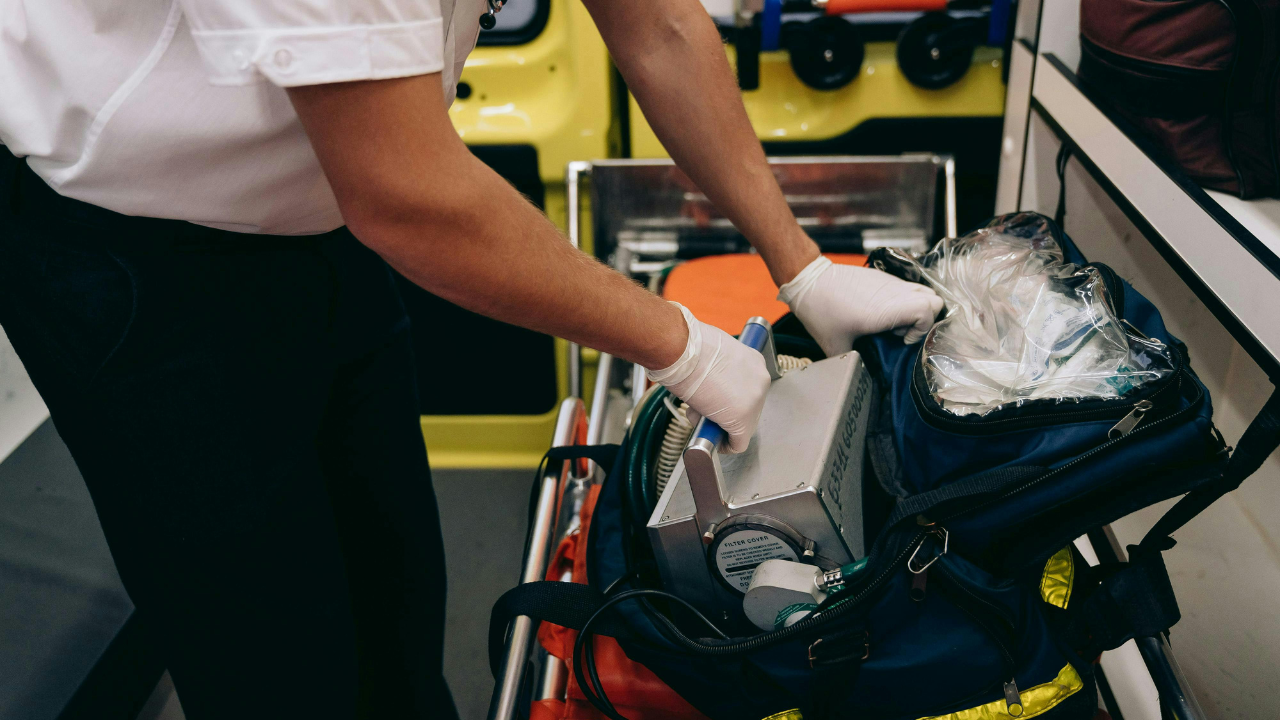
EMS professionals step into moments most people will never experience. They arrive when fear is loud, when time constricts, and when lives are changing in seconds. What the public sees as rare emergencies are, for EMS, a routine part of the job.
They witness death up close. They hear the sounds, smell the smells, see the aftermath, and make fast decisions that matter. Not because they don’t feel it, but because they’ve learned how to keep functioning. Emotional distance isn’t a lack of compassion, it’s a survival skill. Over time, the abnormal becomes normal.
Support within EMS is often limited by the nature of the work itself. Even seasoned providers can feel like they’re on an island, holding things in because this is the job, because others have been through it too, because it doesn’t feel necessary to say out loud what everyone already understands. The need for validation quietly gets dismissed.
For newer EMS professionals, isolation looks different but feels just as heavy. They’re often paired with experienced partners who appear confident and unaffected, which can be intimidating, and without peers at the same stage, doubt and uncertainty stay internal. Whether new or seasoned, this quiet holding, having no clear place to put what the job brings, creates a mental strain that builds over time.
The work itself is relentless. Shifts swing from calm to chaos without warning. One call might be a patient you’ve already seen three times this month because the system is broken and there’s nowhere else for them to go. The next might be an overdose, someone whose life you’ve just saved, only to be met with insults, anger, and attacks on your character, profession or both. Another call may seem routine on paper, something that should be easily treatable, until it suddenly isn’t, and the patient begins coding in front of you.
Meals are skipped. Hydration is forgotten. Bathrooms are delayed. Staffing is often thin, resources limited, and despite the responsibility they carry, compensation rarely reflects the weight of the role. Still, EMS shows up; moving from one situation to the next, expected to reset quickly and perform as if the last call didn’t just happen.
There’s also something complicated beneath it all. The unpredictability. The adrenaline. The sense of purpose. The pull to return even when the work takes a toll. The same intensity that makes the job meaningful can also keep the nervous system activated long after the shift ends.
And just when a shift should be over, another call comes in. Five minutes before clock-out. Because emergencies don’t pause and neither does the responsibility.
Behind the uniform are people carrying scenes they won’t forget, faces they remember, systems that failed, and outcomes that linger. The mental health impact isn’t always obvious. It builds quietly, cumulatively, and often without space to process.
Why Mental Health Support Is Often Avoided
Despite the weight of the work, many EMS professionals don’t seek therapy and not because they don’t need it.
Stigma still plays a role. In a field built on competence and composure, therapy can feel like weakness. For others, it’s time. Using a rare day off to sit with heaviness doesn’t feel restorative it feels like another demand.
There’s also fear. Fear of opening things up. Fear of what might surface. Fear of hearing something they aren’t ready to face.
Some hesitate because they’re unsure whether a therapist will truly understand the culture and pace of EMS work. When there’s uncertainty about being understood, it can feel safer to carry things alone.
These aren’t failures. They’re realities.
A More Realistic View of Therapy
Therapy for EMS doesn’t have to mean reliving every call or unpacking every detail. At its best, it’s about understanding how repeated exposure affects the nervous system and finding ways to release what the job quietly holds onto.
It’s not about making the work easier, it’s about making the weight more manageable. It’s about having a space where strength and vulnerability can coexist, without needing to justify why something that “comes with the job” still leaves a mark.
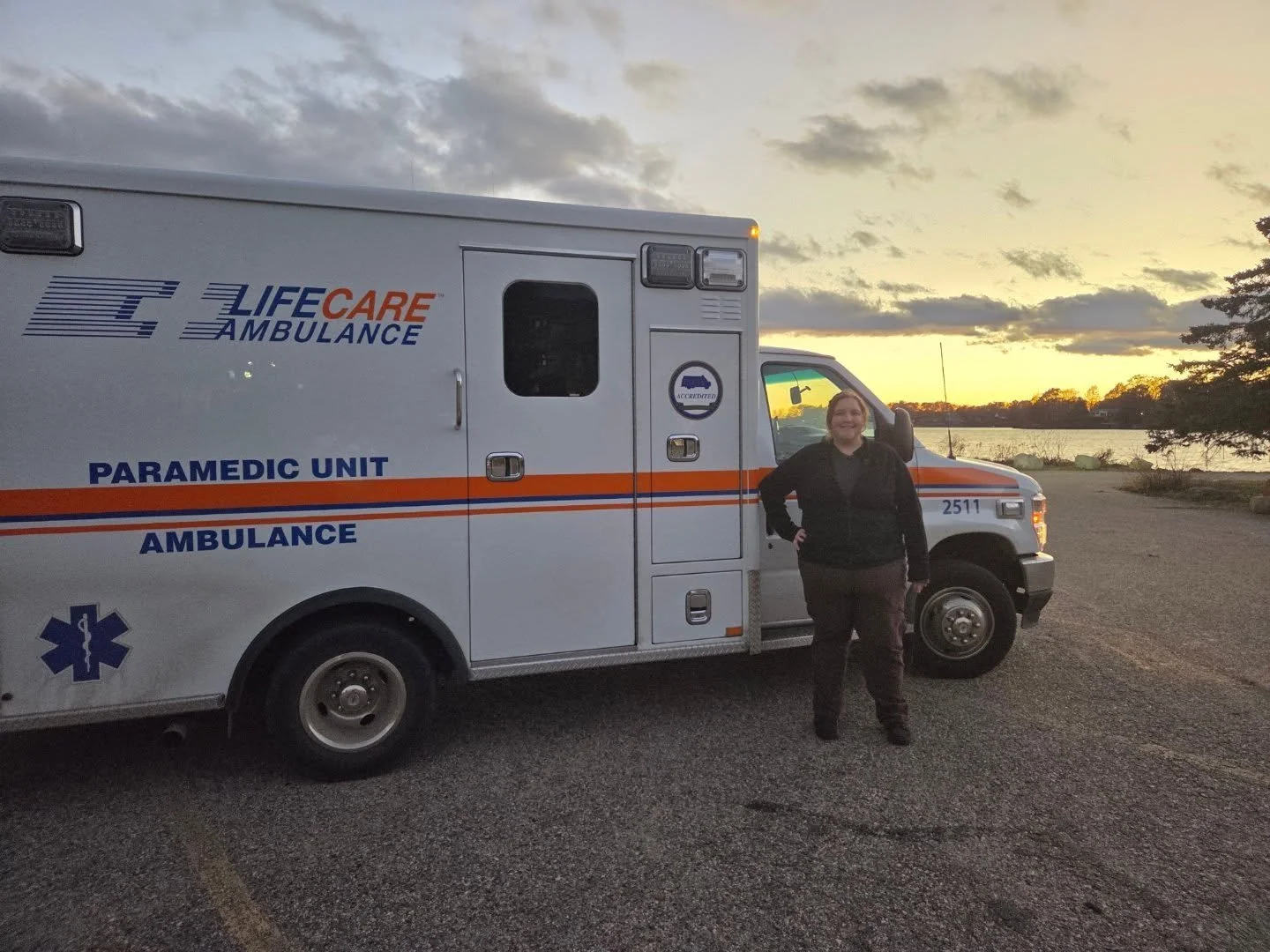
I’ve spent time doing multiple ride along shifts with the intention of deepening my understanding of EMS work from the inside. I’ve smelled the smells, seen death, witnessed the pain of loved ones, and watched broken systems collide with real-time emergencies. I’ve also seen the professionalism, focus, and quiet resilience EMS providers bring to every call and the intentional grounding that often follows so they can show up again.
These experiences deepened my respect for the work and the people who do it. EMS is essential, demanding, and deeply human. As I continue to learn as a therapist, this journey has been an unforgettable one, something I carry into my clinical work with first responders with humility, understanding, and care.
Mental health support doesn’t have to look like weakness. Sometimes it looks like maintenance. Sometimes it looks like having a place where the weight doesn’t have to be minimized or carried alone.
And sometimes, it simply looks like staying well enough to keep doing the work that matters. EMS: your mental health matters, and you do not have to carry the weight of this work alone.
Written by:
Alicia Kennedy, LLMSW, Therapist at Set Apart Counseling
Alicia provides counseling services to adults and first responders in Kalamazoo and Portage, Michigan, offering trauma-informed care for individuals navigating stress, burnout, and the long-term impact of high-intensity work. She brings both clinical training and lived understanding to her work, with a focus on supporting those who carry the weight of serving others.
As the Clinical Outreach Manager for Set Apart Counseling, I want to take a moment to highlight Sanford Behavioral Health, a valued partner of ours, and their newly opened J.O.H.N. (Just One Hero Needed) residential mental health program in Grand Rapids. This program was created specifically for veterans and first responders and offers trauma-informed care, strong peer connection, and specialized clinical support in a setting designed with the realities of this work in mind. Sanford currently has beds available for individuals who may need a higher level of care. We are grateful for the work they are doing and for the opportunity to collaborate in supporting those who serve, ensuring they have access to care that truly understands the weight they carry.